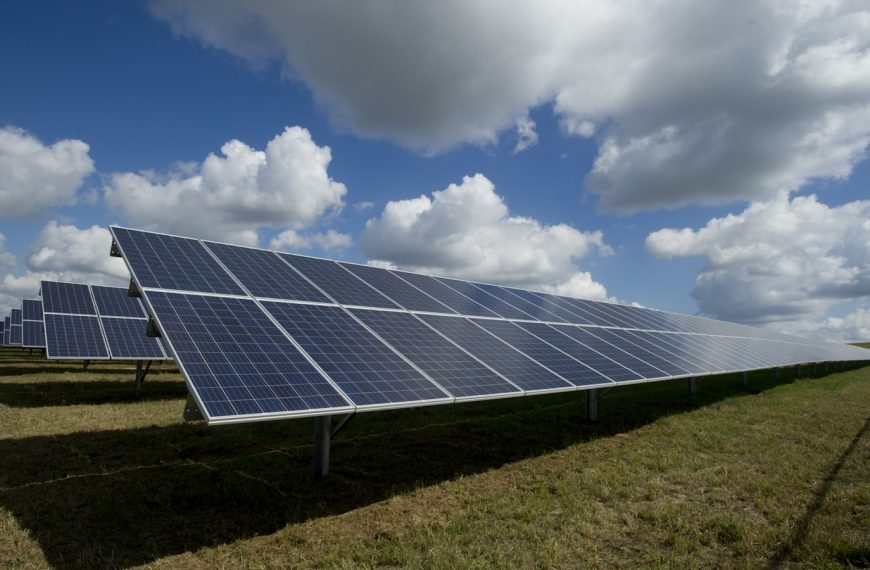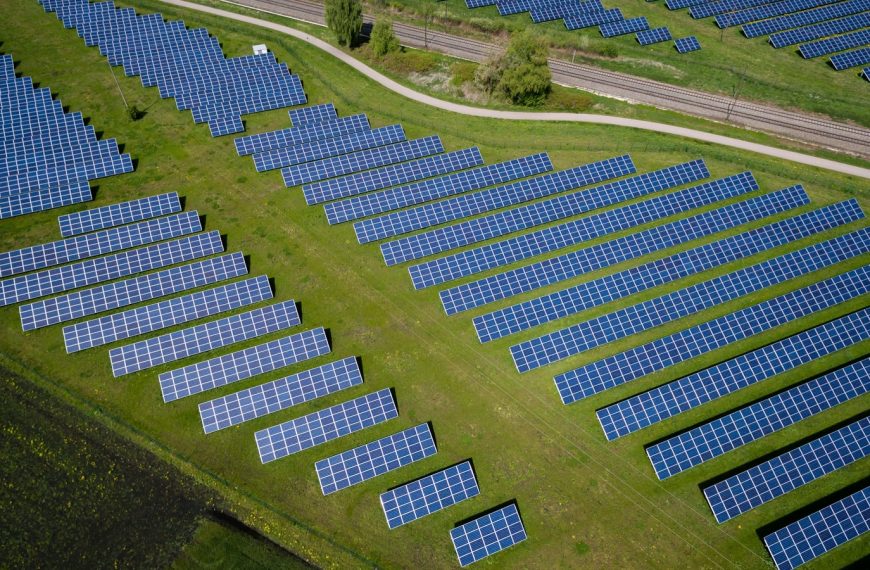

California homeowners are rushing to install solar-plus-battery systems ahead of peak wildfire season, seeking backup power resilience against the public safety power shutoffs that utilities have increasingly used during high fire-risk weather to reduce the chance that their equipment sparks a wildfire. Solar installers across the state report a seasonal uptick in inquiries specifically citing power outage concerns rather than the electricity bill savings that have traditionally driven most residential solar sales.
Battery storage attachment rates for new solar installations have climbed steadily over the past several years, with installers noting that the combination of solar panels and home battery storage now represents the majority of new residential solar contracts in many high fire-risk regions, a significant shift from years past when standalone solar systems without battery backup were far more common among homeowners primarily focused on reducing monthly utility costs.
Utility safety shutoff programs, while credited with reducing wildfire ignition risk from utility equipment during extreme weather, have created real hardship for some households, particularly those relying on medical equipment requiring reliable power or those in rural areas where outages can last for extended periods. Homeowners in these situations describe battery backup systems as an increasingly necessary investment rather than a discretionary upgrade, even given the significant upfront cost involved.
Cost remains a significant barrier for many households, with a fully installed solar-plus-battery system often representing a substantial investment even after applicable tax credits and rebates are factored in. Some homeowners have opted for smaller battery systems sized to cover only critical loads like refrigeration and medical equipment, rather than whole-home backup capacity, as a way to manage costs while still gaining meaningful resilience benefits during outage events.
Financing options for solar-plus-battery systems have expanded, with several lenders and solar companies offering loan products specifically structured around the combined system cost, along with lease and power purchase agreement structures that reduce upfront costs in exchange for long-term payment commitments. Consumer advocates have urged homeowners to carefully compare financing terms across providers, noting that total costs and contract terms can vary significantly between different financing structures.
Utility companies have generally supported the growth of distributed battery storage, noting that aggregated home battery capacity can potentially provide grid support services during periods of peak demand, in addition to the resilience benefits for individual households. Some utilities have introduced programs that compensate customers for allowing their home batteries to be used for grid support during specific high-demand events, creating an additional financial incentive for battery adoption.
As wildfire season activity continues, solar installers say they expect demand for battery-equipped systems to remain strong through the remainder of the year, particularly if utilities implement additional safety shutoff events during periods of extreme fire weather. For many California homeowners, the calculation around solar and battery investment has shifted from a purely financial decision toward one increasingly centered on basic power reliability and household resilience.
Looking ahead, analysts say the story will continue to evolve through the remainder of 2026 as policymakers, businesses, and households adjust to new conditions. Community groups, industry associations, and local governments are already coordinating briefings, public forums, and technical workshops so residents can understand what changes mean for daily life, budgets, and long-term planning across California and beyond.


 By
By