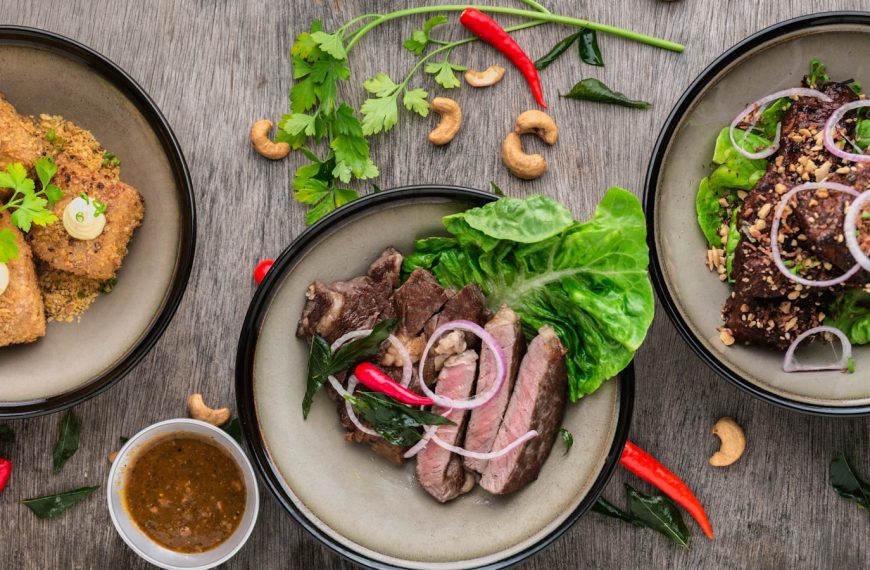

Farm-to-table restaurants across California are adapting their menus in near real time this season, as shifting climate patterns reshape the timing and availability of key seasonal ingredients that chefs have traditionally built their menus around. Chefs who have long prided themselves on close relationships with local growers say those partnerships have become even more valuable in recent years, providing early warning about how weather volatility is affecting specific crops before broader supply disruptions become apparent.
Some growers report that traditional harvest windows for certain crops have shifted noticeably compared with historical norms, with warmer spring temperatures in some years accelerating ripening timelines while unusual late-season heat events in others have stressed crops during critical growth periods. Chefs say this variability has made rigid, pre-planned seasonal menus increasingly impractical, pushing many restaurants toward more flexible menu structures that can adjust quickly based on what growers actually have available in any given week.
Water availability continues to shape which crops growers prioritize, with some farmers shifting acreage toward less water-intensive crops as a hedge against ongoing water supply uncertainty. This shift has introduced restaurant patrons to a wider range of ingredients that were less common on menus a decade ago, as chefs work to build appealing dishes around crops that make agronomic and economic sense for their grower partners under current water constraints.
Seafood-focused farm-to-table restaurants face parallel challenges, with warming ocean temperatures affecting the distribution and availability of certain regional fish species that chefs have traditionally featured. Some restaurants have expanded their sourcing relationships with fisheries operating over a broader geographic range, while others have leaned into promoting a wider variety of underutilized, sustainably caught species as an alternative to relying on a narrower set of traditionally popular options.
Restaurant owners describe the adaptation process as requiring closer, more frequent communication with suppliers than in past years, along with more staff training focused on flexibility rather than rigid adherence to fixed menus. Some restaurants have begun publishing weekly rather than seasonal menus, explicitly marketing the practice as a reflection of genuine agricultural conditions rather than simply a stylistic choice, an approach that has resonated with diners increasingly interested in understanding where their food actually comes from.
Agricultural economists note that the restaurant industry’s adaptability offers a useful, visible window into broader climate adjustment occurring throughout California agriculture, even though restaurants represent only a small share of overall agricultural demand compared with larger commercial and export markets. Still, the close chef-grower relationships common in the farm-to-table sector have made these adjustments particularly visible to consumers who might otherwise be insulated from the underlying agricultural shifts happening behind the scenes.
As the growing season continues, chefs say they expect continued unpredictability in ingredient availability, treating flexibility as an increasingly permanent feature of running a farm-to-table restaurant rather than a temporary adjustment. For diners, the shift has meant menus that change more frequently and feature a broader range of ingredients, a trade-off most farm-to-table restaurant patrons appear willing to embrace in exchange for genuinely seasonal, locally sourced food.
Looking ahead, analysts say the story will continue to evolve through the remainder of 2026 as policymakers, businesses, and households adjust to new conditions. Community groups, industry associations, and local governments are already coordinating briefings, public forums, and technical workshops so residents can understand what changes mean for daily life, budgets, and long-term planning across California and beyond.


 By
By