
Xeriscaping and drought-tolerant landscaping continue to take root across California neighborhoods this summer, as homeowners redesign front and back yards to cut water use while still maintaining the curb appeal that many associate with a well-kept traditional lawn. Landscape designers report steady demand for consultations focused on replacing turf with native plants, gravel groundcover and drip irrigation systems designed to deliver water precisely where plants need it.
Water agencies across the state have supported the trend through turf replacement rebate programs, which offer homeowners a per-square-foot incentive to remove lawns in favor of low-water landscaping. Program administrators say participation has grown steadily as more residents become familiar with the rebate process and as demonstration gardens at local water agencies help homeowners visualize what a well-designed drought-tolerant yard can look like beyond bare gravel and cacti.
Nurseries specializing in California native plants report strong sales of species like California poppy, manzanita, ceanothus and various sage varieties, which require significantly less irrigation than traditional lawn grass once established. Landscape professionals say a well-planned native garden can also support local pollinator populations, adding an ecological benefit that appeals to environmentally minded homeowners beyond the direct water savings.
The transition has not been without growing pains. Some homeowners’ associations have historically maintained strict landscaping guidelines requiring traditional lawns, prompting state lawmakers in recent years to pass legislation limiting HOAs’ ability to prohibit drought-tolerant landscaping. Community associations that have updated their guidelines report a gradual shift in neighborhood aesthetics as more homeowners take advantage of the expanded flexibility to install water-wise gardens.
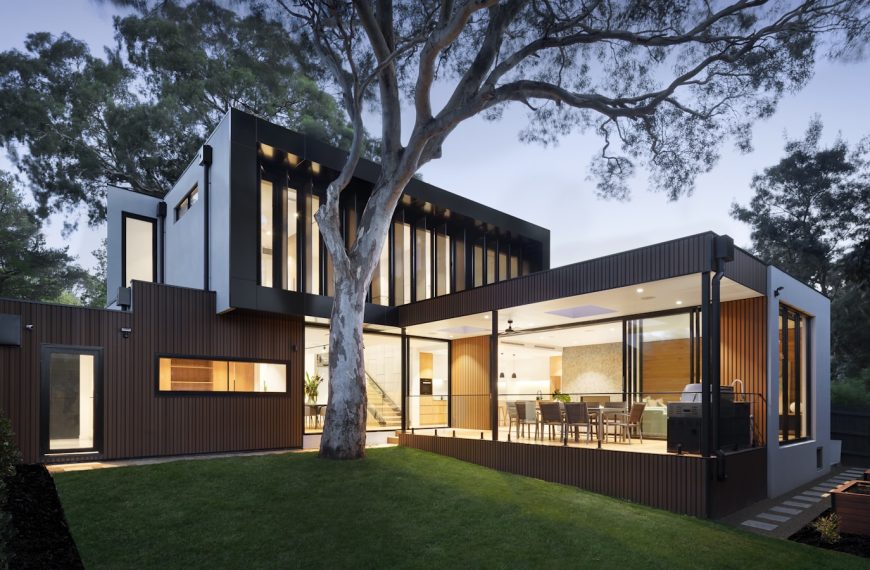
Real estate agents say buyer attitudes toward drought-tolerant landscaping have shifted significantly over the past decade, with many buyers now viewing a thoughtfully designed native garden as a selling point rather than a liability, a reversal from earlier years when some buyers associated xeriscaping with neglect. Home staging companies in some markets now include drought-tolerant landscaping improvements among their recommended pre-sale upgrades.
Landscape contractors caution that a successful transition requires more than simply removing grass, noting that proper soil preparation, plant selection suited to specific microclimates, and appropriately designed irrigation systems are essential to a garden’s long-term success. Poorly executed conversions, they say, can result in patchy, unattractive results that undermine broader public enthusiasm for the drought-tolerant landscaping movement.
As water agencies continue to promote conservation-oriented landscaping ahead of an uncertain water year, industry professionals expect demand for xeriscaping services to remain strong. For many California homeowners, the shift represents less an aesthetic sacrifice than an adaptation to the state’s long-term climate reality, one yard at a time.
Looking ahead, analysts say the story will continue to evolve through the remainder of 2026 as policymakers, businesses, and households adjust to new conditions. Community groups, industry associations, and local governments are already coordinating briefings, public forums, and technical workshops so residents can understand what changes mean for daily life, budgets, and long-term planning across California and beyond.
For readers following this beat, the practical takeaway is straightforward: preparation and clear information matter more than speculation. Whether the focus is economic investment, lifestyle shifts, public policy, sports culture, or global affairs, the coming weeks will test how quickly institutions can turn announcements into measurable results that people can see in their neighborhoods, workplaces, and travel plans.


 By
By