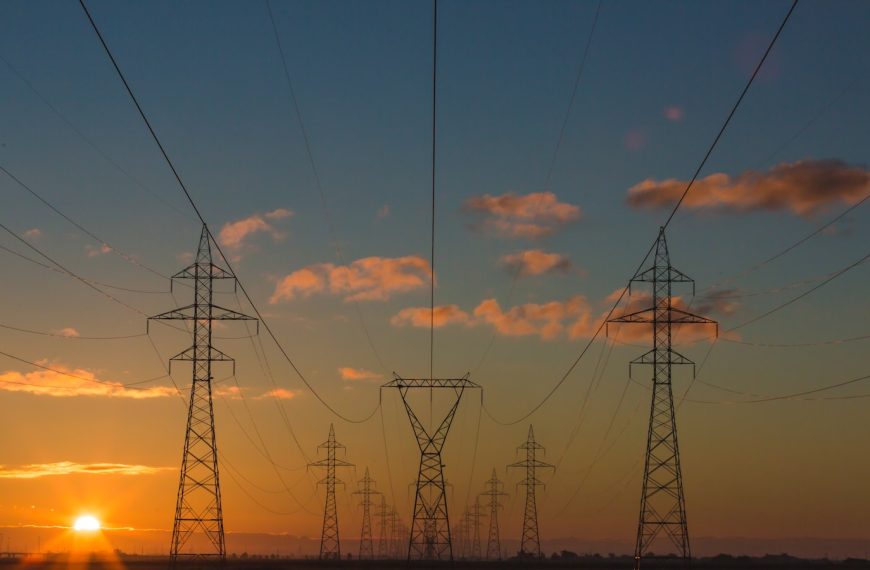

Major Middle East oil-producing nations are accelerating investment in renewable energy and grid infrastructure this year, part of long-term economic diversification strategies that predate but have gained new urgency amid volatile global energy markets and mounting international pressure to address climate change. Sovereign wealth funds across the region have directed billions toward solar, wind and green hydrogen projects, positioning several countries to become significant renewable energy exporters in addition to their traditional role as oil and gas suppliers.
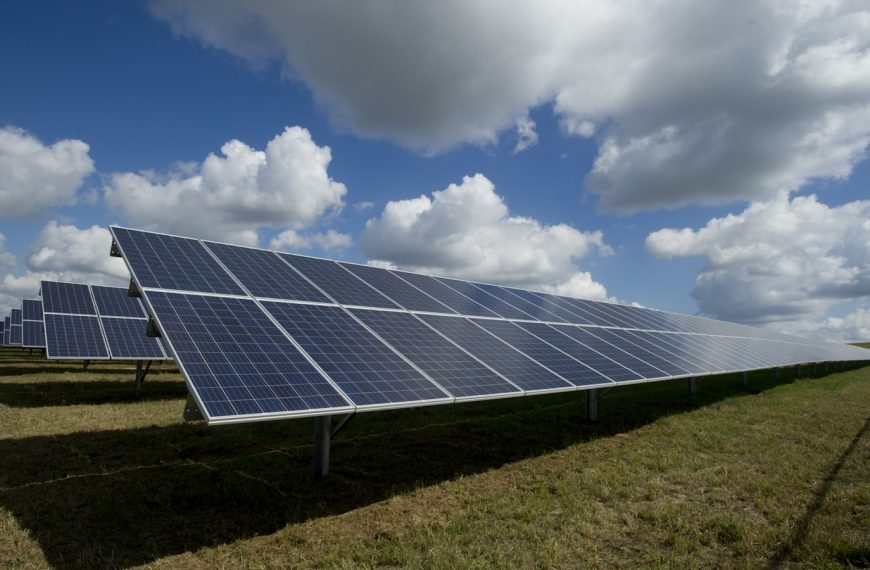
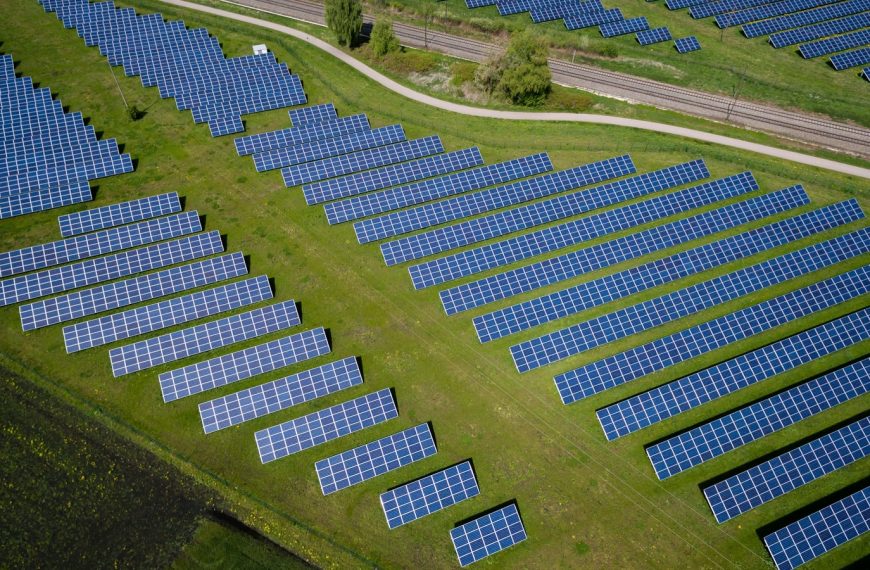
Solar development has advanced particularly quickly given the region’s exceptional solar resource, with several utility-scale projects now among the largest and lowest-cost solar installations anywhere in the world. Government officials tout these projects as evidence that renewable energy investment can align with, rather than undermine, the region’s broader energy export ambitions, particularly as demand grows for green hydrogen and other renewable-derived export products in addition to traditional electricity generation.
Green hydrogen has emerged as a particular area of strategic focus, with several countries investing in large-scale production facilities intended to export hydrogen and related derivative products to energy-hungry markets in Europe and Asia. Industry analysts note that green hydrogen technology and associated export infrastructure remain in relatively early stages of commercial maturity, meaning the ultimate scale and profitability of these investments will depend heavily on how quickly global demand and supporting infrastructure develop over the coming decade.
Domestic electricity demand within the region has also driven renewable investment, as rapidly growing populations and expanding industrial activity increase overall energy consumption even as some governments seek to preserve more of their oil production for lucrative export markets rather than domestic power generation. Officials describe this dynamic as a rational economic driver for renewable investment independent of any climate policy considerations, since it allows countries to redirect oil that would otherwise be burned domestically toward export markets.
Workforce development has become a growing focus alongside the capital investment, with several countries establishing specialized training institutes aimed at building domestic technical capacity in renewable energy engineering, project development and grid management. Officials say building this human capital base is viewed as essential to ensuring that the economic benefits of the renewable transition accrue substantially to domestic workers rather than flowing primarily to foreign contractors and technical specialists.
Skeptics of the pace and scale of the region’s diversification efforts note that oil and gas revenue still constitutes the overwhelming majority of government income across most producing nations, meaning genuine economic diversification remains a multi-decade undertaking rather than a near-term transformation. Economists studying the transition say the current renewable investment wave represents an important first step, but caution that sustained success will require continued investment discipline across multiple economic cycles and oil price environments.
As renewable investment continues to expand across the region, energy analysts say the coming years will offer an important test of whether Middle East producers can successfully leverage their financial resources and favorable solar and wind conditions to build a durable, diversified energy export sector. For now, officials across the region describe the current investment wave as a deliberate, long-term hedge against an eventual global transition away from fossil fuels.
Looking ahead, analysts say the story will continue to evolve through the remainder of 2026 as policymakers, businesses, and households adjust to new conditions. Community groups, industry associations, and local governments are already coordinating briefings, public forums, and technical workshops so residents can understand what changes mean for daily life, budgets, and long-term planning across California and beyond.

 By
By