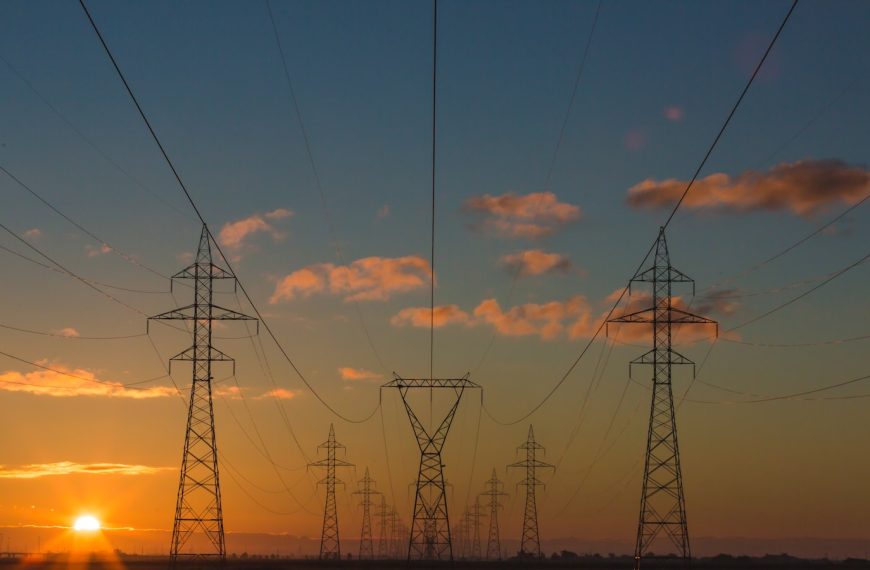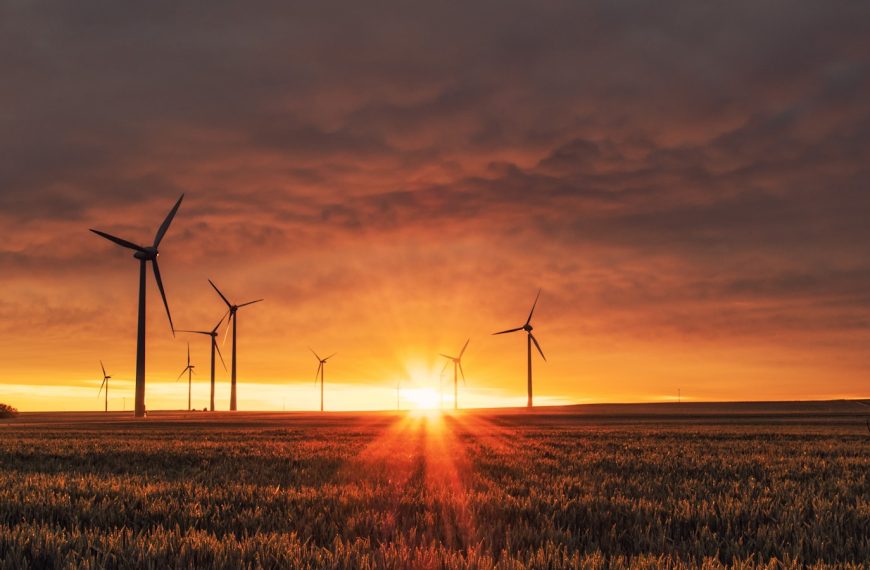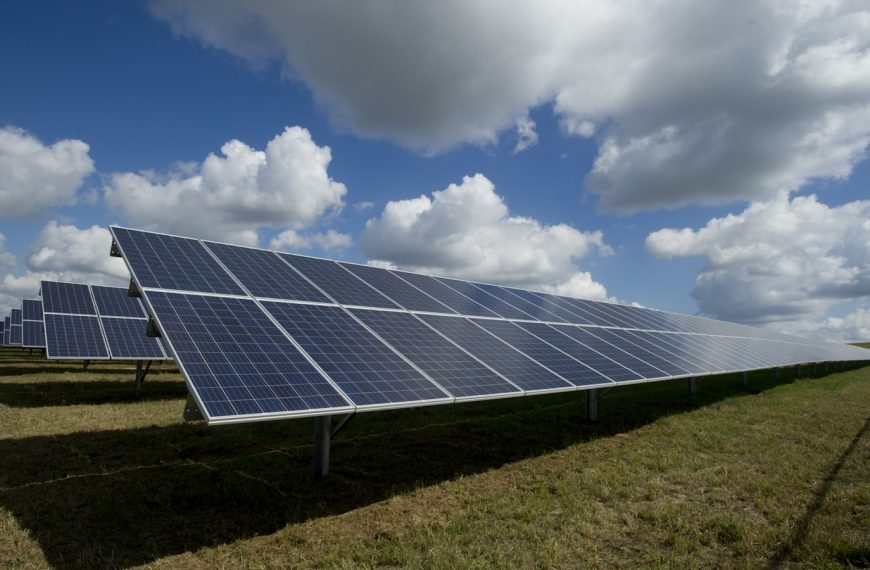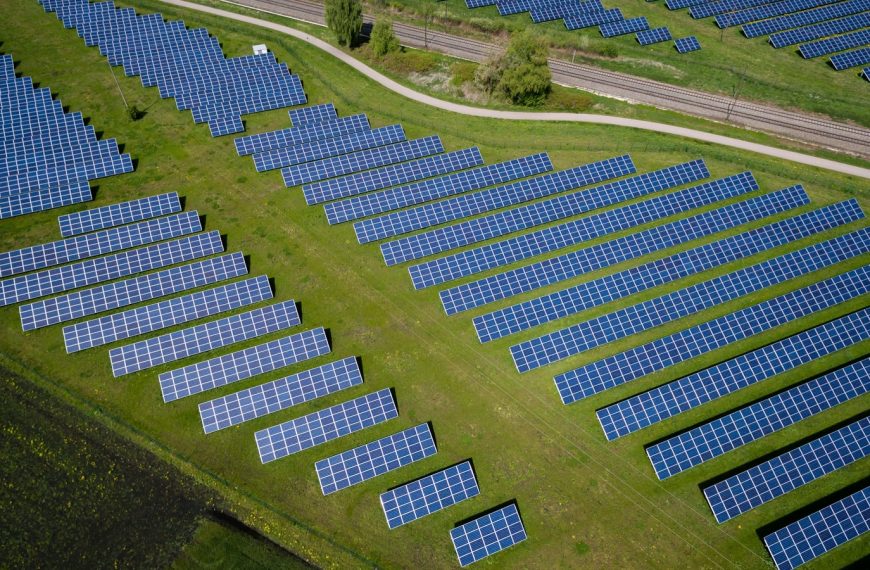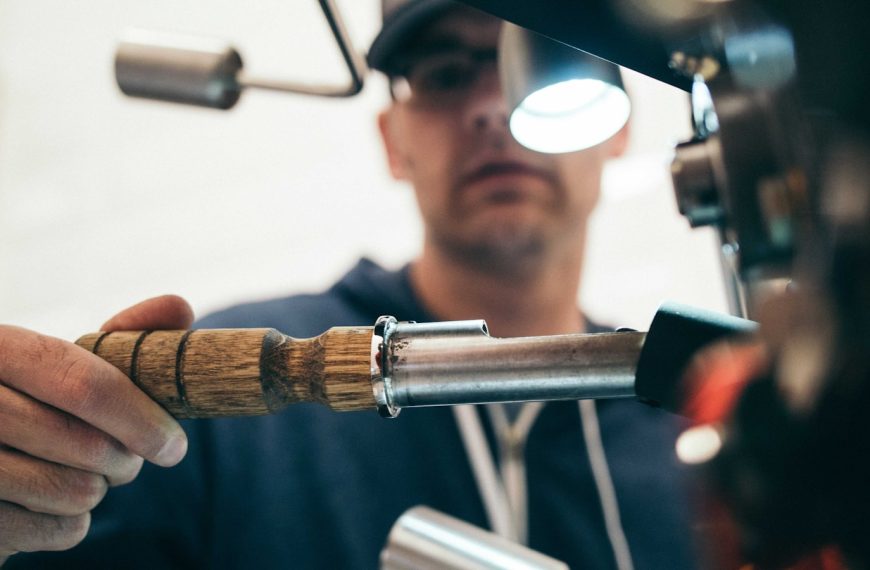

Battery manufacturing facilities across California’s Central Valley are expanding production lines this summer, adding clean-energy manufacturing jobs as demand climbs for both grid-scale storage batteries and electric vehicle components. Plant operators in the Fresno and Bakersfield areas say expansion decisions reflect sustained demand from utility-scale storage developers, who have increasingly relied on battery systems to help manage the variability of wind and solar generation feeding into the state’s grid.
The Central Valley’s appeal to battery manufacturers stems from a combination of available industrial land, proximity to major transportation corridors and a workforce transitioning from the region’s traditional agricultural and oil-and-gas employment base. Local economic development officials have actively courted battery and clean-energy manufacturers as part of a broader strategy to diversify the region’s economy beyond agriculture, which remains vulnerable to water supply volatility.
Workforce training programs at Central Valley community colleges have expanded manufacturing technician curricula specifically geared toward battery production, partnering directly with plant operators to align coursework with the specific skills needed on production lines. Program administrators report strong enrollment, with many students drawn by wages that compare favorably to other manufacturing and agricultural jobs available in the region.
Grid storage developers say the expanded in-state battery manufacturing capacity offers meaningful supply chain advantages, reducing shipping time and costs compared with sourcing batteries from overseas manufacturers. This localization trend has accelerated as utilities and independent power producers seek to meet aggressive state clean energy targets that require substantial new storage capacity to be brought online over the coming years.
Not all aspects of the expansion have proceeded smoothly. Some plant operators report ongoing challenges securing reliable local supplies of key battery materials, with many raw inputs still sourced through international supply chains subject to the same tariff and trade volatility affecting other manufacturing sectors. Industry groups have called for expanded domestic mining and materials processing investment to reduce this remaining dependency.
Labor unions representing manufacturing workers have generally welcomed the job growth while pushing for strong wage and safety standards at the new and expanding facilities, pointing to the physically demanding and sometimes hazardous nature of battery cell manufacturing work. Several plant operators have agreed to project labor agreements covering construction of new production lines, while ongoing operational staffing remains a point of continued negotiation in some facilities.
State officials tracking the clean-energy manufacturing sector say the Central Valley’s battery plant expansions represent an important piece of California’s broader industrial strategy, one that aims to capture manufacturing jobs tied to the clean energy transition rather than simply importing finished components from elsewhere. Economic development officials expect continued expansion announcements in the region as grid storage and EV demand keep climbing.
Looking ahead, analysts say the story will continue to evolve through the remainder of 2026 as policymakers, businesses, and households adjust to new conditions. Community groups, industry associations, and local governments are already coordinating briefings, public forums, and technical workshops so residents can understand what changes mean for daily life, budgets, and long-term planning across California and beyond.
For readers following this beat, the practical takeaway is straightforward: preparation and clear information matter more than speculation. Whether the focus is economic investment, lifestyle shifts, public policy, sports culture, or global affairs, the coming weeks will test how quickly institutions can turn announcements into measurable results that people can see in their neighborhoods, workplaces, and travel plans.

 By
By