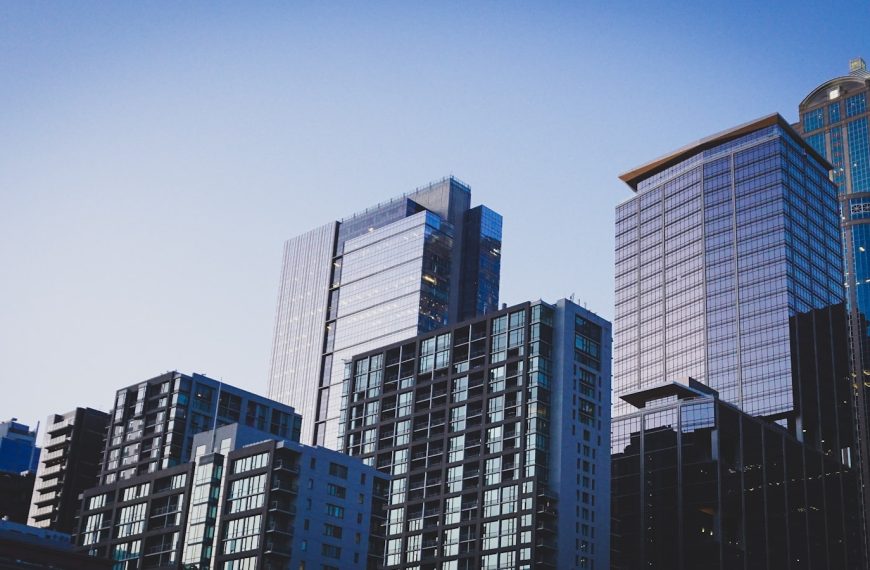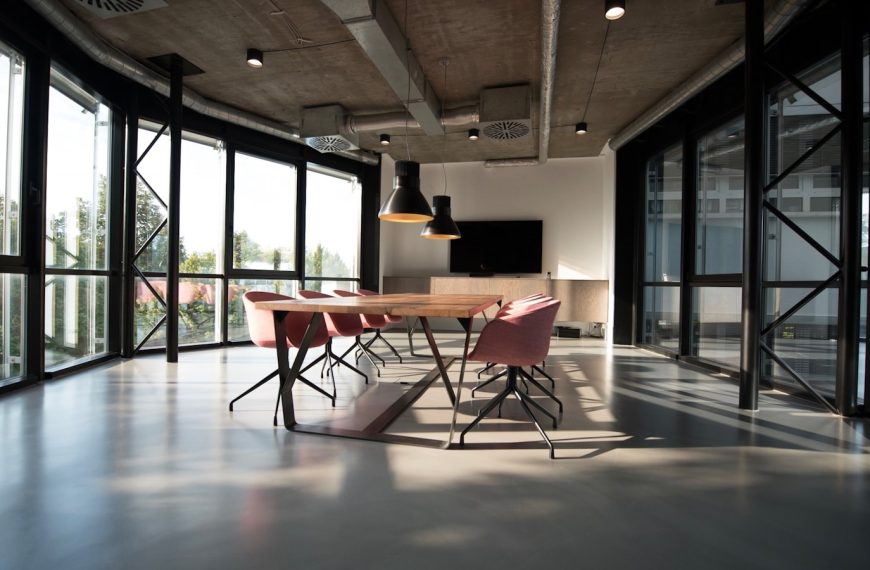

San Francisco’s commercial real estate market is showing its clearest signs of recovery in years, driven largely by a wave of artificial intelligence companies signing office leases in SoMa and the Financial District. Brokers who spent the pandemic years fielding sublease listings and vacancy notices say the tone of their conversations has shifted dramatically, with several AI firms now competing for the same blocks of contiguous office space near transit hubs.
The leasing activity marks a notable turnaround for a downtown core that struggled with elevated vacancy rates following the shift to remote work. Commercial real estate data providers tracking the market report that vacancy figures, while still above pre-pandemic norms, have begun trending downward for the first time in several years, with net absorption turning positive across multiple quarters as AI-focused tenants expand their footprints.
Much of the demand is concentrated among companies building large language models, AI infrastructure tooling and enterprise software layered on top of foundation models. These firms have shown a preference for open-plan office space that can accommodate rapid headcount growth, along with proximity to the talent pool clustered around the city’s universities and established tech ecosystem. Several landlords have responded by offering flexible lease terms and built-out spaces ready for quick occupancy.
The rebound has not been uniform across the city. Older, less amenitized buildings continue to struggle to attract tenants, while newer or recently renovated properties with strong transit access and modern infrastructure have captured a disproportionate share of new leasing activity. This bifurcation has led some real estate analysts to describe the recovery as a flight to quality rather than a broad-based rebound across the entire office market.
City officials have welcomed the trend as a potential boost to downtown foot traffic, which has lagged in restaurants, retail and transit ridership since the pandemic reshaped commuting patterns. Small business owners near the AI leasing hot spots report a gradual uptick in lunchtime and after-work customers, though many say revenue remains below pre-pandemic levels despite the improved office occupancy trends.
Skeptics caution that the AI-driven leasing boom carries its own risks, given the volatility often associated with early-stage technology funding cycles. Some real estate advisors note that a handful of well-funded AI companies account for a large share of the recent leasing volume, raising questions about how resilient the recovery would be if venture funding conditions were to tighten or if consolidation reduced the number of independent AI firms competing for office space.
For now, San Francisco’s civic and business leaders are treating the trend as a welcome sign after a difficult stretch for the downtown economy. City planning officials say they are watching the leasing data closely as they consider longer-term policies around converting underused office buildings, betting that a sustained AI-driven recovery could buy time for a broader, more diversified rebound in the years ahead.
Looking ahead, analysts say the story will continue to evolve through the remainder of 2026 as policymakers, businesses, and households adjust to new conditions. Community groups, industry associations, and local governments are already coordinating briefings, public forums, and technical workshops so residents can understand what changes mean for daily life, budgets, and long-term planning across California and beyond.

 By
By